Wuhan Nice Laser Co., Ltd

The Laser Technology Solves the Pain Points in Packaging Industry
Upload Time:
Jul 23, 2026
The packaging industry (particularly food & beverage, pharmaceuticals, daily chemicals, and electronics) is facing multiple challenges, including rising operational costs, increasingly stringent environmental regulations, and growing demands for full-process traceability. Laser processing technology—including laser coding machines, laser slitting/easy-tear scoring, and laser micro-perforating systems—provides precise, clean, and highly efficient solutions to key operational pain points.
The Laser Technology Solves the Pain Points in Packaging Industry
The packaging industry (particularly food & beverage, pharmaceuticals, daily chemicals, and electronics) is facing multiple challenges, including rising operational costs, increasingly stringent environmental regulations, and growing demands for full-process traceability. Laser processing technology—including laser coding machines, laser slitting/easy-tear scoring, and laser micro-perforating systems—provides precise, clean, and highly efficient solutions to key operational pain points.
1. Industry Pain Points vs. Laser Equipment Solutions
|
Packaging Industry Pain Points |
Limitations of Conventional
Methods |
Laser Equipment Solutions & Advantages |
|
High
Consumable Costs & |
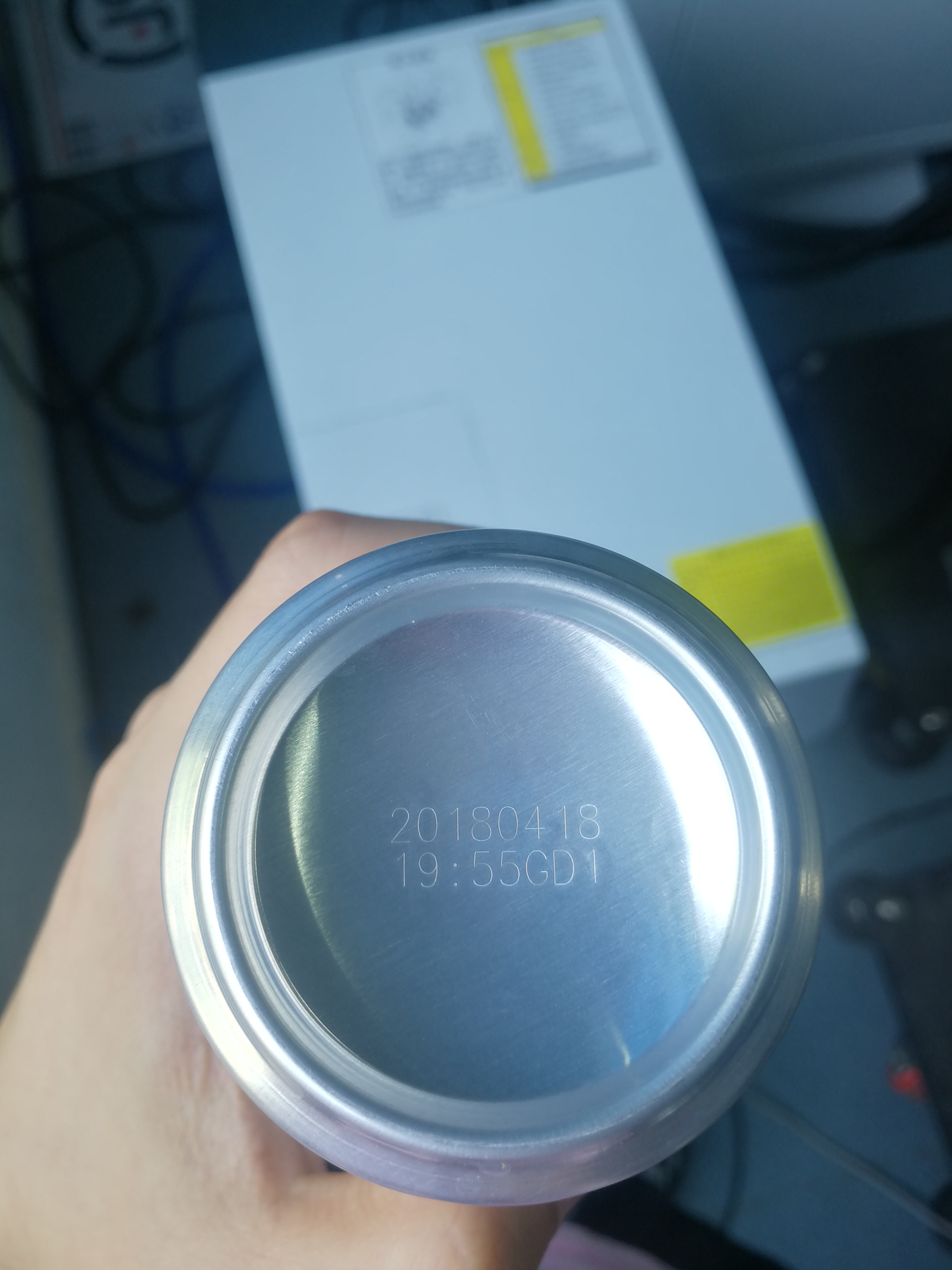
Traditional Continuous Inkjet (CIJ) printers require constant purchase of ink and solvents. Nozzles clog frequently, leading to line shutdowns for cleaning. |
Zero
Consumables & Minimal Maintenance |
|
Anti-Counterfeiting & Traceability Vulnerabilities |
Inkjet codes or printed labels can easily be wiped off with chemical solvents or peeled away and replaced. |
Permanent
Marking & Anti-Tampering |
|
Environmental
Regulations & |
Solvents (e.g., acetone, methanol) used in inkjet inks produce Volatile Organic Compounds (VOCs), conflicting with green manufacturing and food safety standards. |
Eco-friendly
& Clean Production |
|
Poor Package
Opening Experience & |
Mechanical scoring blades easily pierce thin films, causing gas leakage, and mechanical die changes are costly and time-consuming. |
Micro-precision
Scoring & Easy-Tear Lines |
|
High Demand
for Multi-Variant, |
Changing product variants requires replacing physical printing plates and die molds, taking substantial setup and adjustment time. |
Software-Driven
Instant Switching |
2. Production Line Integration & Workflow
Laser processing units are typically integrated directly into high-speed packaging flow lines or roll-to-roll converting machines. When paired with machine vision sensors and automated inspection systems, the system achieves seamless real-time coding, dynamic alignment, and instantaneous quality verification.
3. Sales Pitch & Value Proposition Strategies
When promoting laser systems to clients in the packaging sector, position the equipment around three core pillars: Total Cost of Ownership (TCO) Reduction, Operational Efficiency, and Regulatory Compliance.
• TCO & ROI Financial Argument: Although the upfront capital expenditure (CAPEX) for laser equipment is slightly higher than traditional inkjet machinery, eliminating ongoing ink/solvent consumables and eliminating downtime costs allows most facilities to fully recoup the investment within 6 to 12 months.
• Quality Assurance & Regulatory Compliance: As food and pharmaceutical traceability regulations become stricter, laser marking guarantees 100% code legibility, eliminating batch recalls or product returns caused by smudged or missing codes.
• Advanced Processing Capabilities: Beyond standard coding, laser platforms can be expanded to deliver high-value processes, such as precision easy-tear scoring and micro-perforations for controlled-atmosphere fresh produce packaging.


Contact Us
No.18, Liu Fang Yuan South Road, Eastlake High-Tech Development Zone, Wuhan, Hubei, 430205, China.


