Wuhan Nice Laser Co., Ltd

Why Choose Fiber Laser Coding on Aluminum Can Beverages?
Upload Time:
Sep 15, 2026
Fiber laser coding systems offer excellent environmental adaptability and can operate reliably under these harsh conditions. They continuously produce clear, wear-resistant, high-quality codes, meeting the core requirements of modern beverage manufacturers.
Why Choose Fiber Laser Coding on Aluminum Can Beverages?
1. Demanding Production Environments
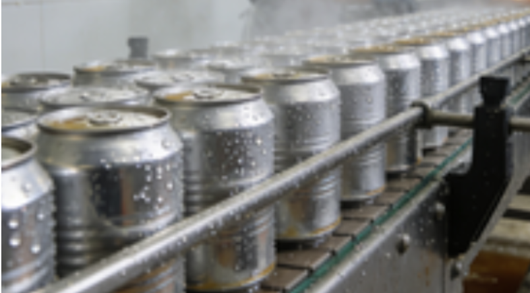
Beverage canning production environments are demanding. Production areas are often exposed to high humidity and high-sugar atmospheres, with temperatures reaching up to 45°C. These conditions can cause conventional coding systems to become blurred or fade, affecting code quality and product traceability.
Fiber laser coding systems offer excellent environmental adaptability and can operate reliably under these harsh conditions. They continuously produce clear, wear-resistant, high-quality codes, meeting the core requirements of modern beverage manufacturers.
2. Excellent Performance for Industry-Specific Coding Challenges
High-Speed Production
The fast soft-drink canning lines can currently reach up to 50,000 cans per hour, while production volumes may fluctuate significantly with seasonal demand. Fiber laser coding can flexibly adapt to both high- and low-speed production changes, efficiently coding every can without slowing down the production line.
Clear Coding on Irregular Surfaces
The recessed and uneven surface at the bottom of a can can cause conventional codes to stretch or become blurred. Fiber laser technology can accurately adapt to irregular surfaces, helping ensure that codes remain clear, consistent, and well defined.
Easy Integration into Existing Production Lines
Fiber laser coding systems can be integrated into existing canning production lines. The optimized print-head design and compact footprint minimize the need for major line modifications, helping avoid production bottlenecks and costly downtime.
Environmentally Friendly and Low-Consumption Operation
As environmental awareness continues to grow, fiber laser coding provides an attractive alternative to conventional chemical-based coding methods. It does not require volatile organic chemicals, offers low energy consumption, and generates no consumable waste, making it a preferred coding solution that combines productivity, compliance, and environmental responsibility.


Contact Us
No.18, Liu Fang Yuan South Road, Eastlake High-Tech Development Zone, Wuhan, Hubei, 430205, China.


